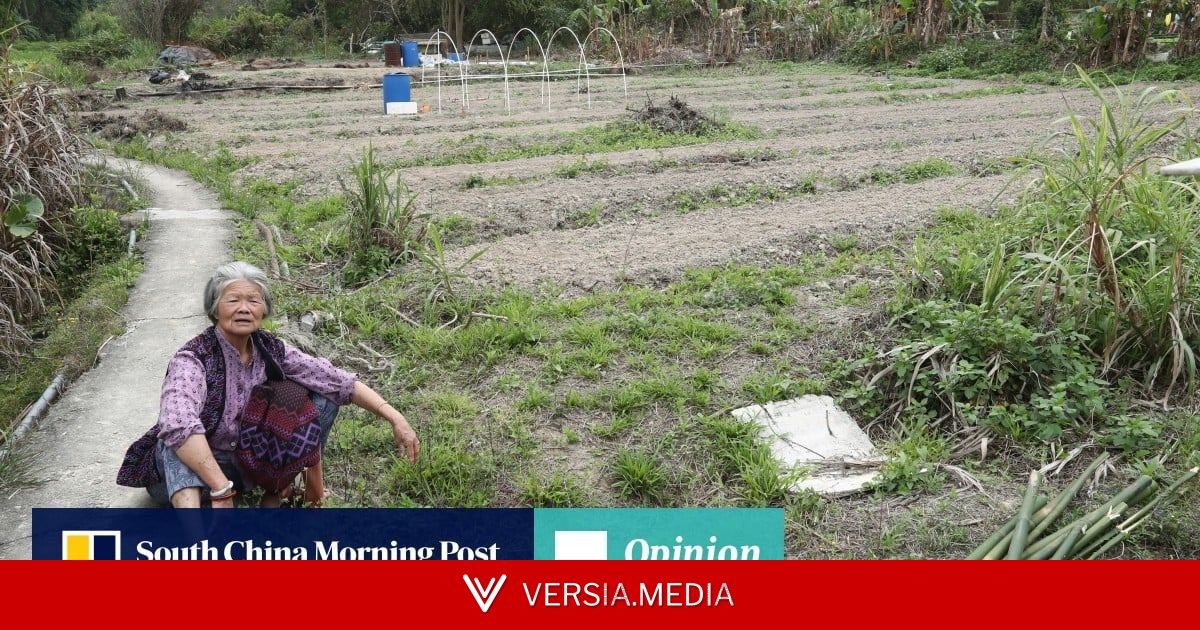
Traditionally a source of food, agricultural land now plays a far broader and more important role
Food security and economic development were Hong Kong’s biggest challenges for most of the last century. A large portion of the workforce was engaged in agriculture, shaping the territory’s landscape and laying the foundation for further economic development. Today, our economy depends on services, with fewer than 2,500 farms – many run by part-timers – occupying just 0.6 per cent of the territory.
These rural landscapes sustain some of the city’s last functioning lowland ecological networks, supporting biodiversity, regulating water flows (the “sponge city” effect) and buffering the climate impact. They also carry immense cultural and social value, preserving rural heritage, sustaining livelihoods and providing much-needed green relief within an increasingly dense urban environment.